
Global Energy Security Concerns Intensify, Driving Demand for Localized Oil & Gas Equipment Manufacturing
In recent years, geopolitical tensions and supply chain disruptions have reshaped the global energy landscape. As uncertainties in major energy-producing regions continue to influence crude oil and natural gas markets, governments and energy companies worldwide are placing greater emphasis on energy security, supply diversification, and localized infrastructure development.
Under this evolving environment, the demand for reliable, locally manufactured oil and gas processing equipment is steadily increasing.
Energy security is no longer a short-term policy issue; it has become a long-term national strategy across many economies. Fluctuations in crude oil supply, sanctions, transportation risks, and regional conflicts involving countries such as Iran and the United States have highlighted the vulnerability of global energy supply chains.
According to assessments from organizations like OPEC and the International Energy Agency, upstream investments are expected to remain active in order to stabilize supply capacity. Meanwhile, many countries are accelerating domestic oil and gas field development, storage expansion, and midstream processing projects to reduce dependency on external sources.
This structural shift is directly impacting the demand for oil and gas equipment.
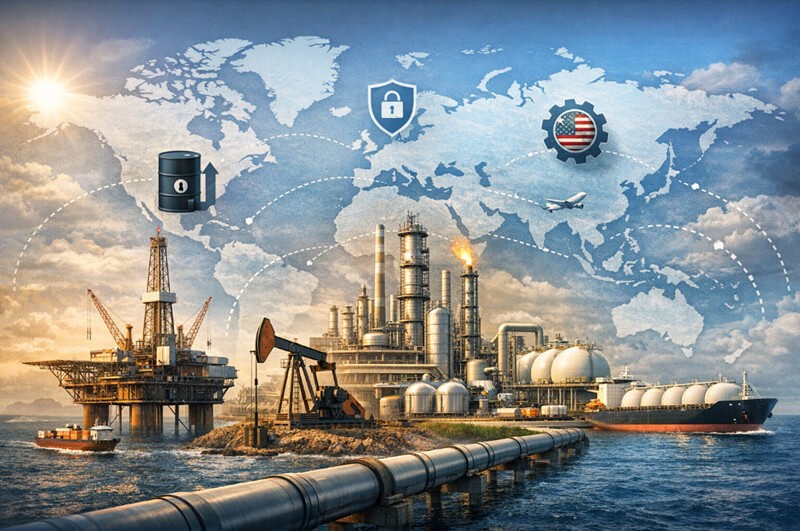
Rising Investment in Domestic Oil & Gas Infrastructure
When energy security becomes a priority, infrastructure development follows. Several trends are becoming increasingly clear:
Reactivation of mature oilfields
Development of marginal or unconventional gas resources
Expansion of natural gas processing facilities
Increased construction of storage and transportation systems
Strengthening of strategic petroleum reserve capacity
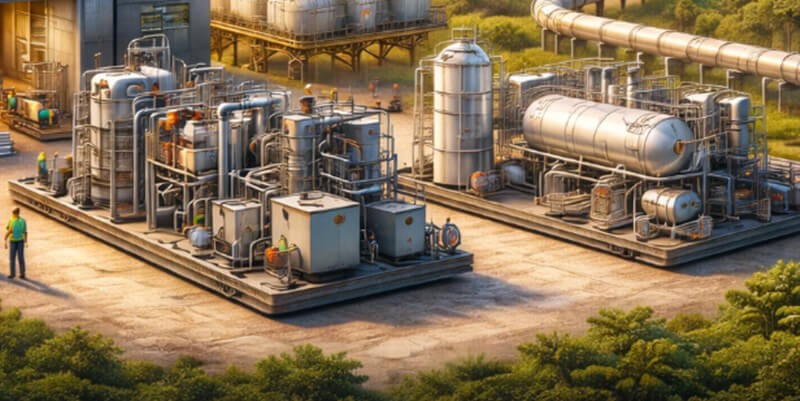
These projects require critical processing equipment such as separators, filtration systems, pressure vessels, heater treaters, and modular skid-mounted units.
Instead of relying solely on imported equipment, more project owners are evaluating localized manufacturing solutions that offer shorter delivery cycles, cost efficiency, and flexible customization while still meeting international standards.
Supply Chain Risk Mitigation and Equipment Localization
Recent global supply chain disruptions have exposed risks related to long-distance procurement and cross-border logistics. Delays in material supply, freight cost volatility, and export restrictions have led energy companies to reconsider procurement strategies.
As a result, localization of oil and gas equipment manufacturing is not simply a cost-driven decision; it is a strategic move to enhance supply chain resilience.
For engineering contractors and project developers, working with qualified regional manufacturers provides several advantages:
Faster engineering response
Easier technical communication
Improved after-sales service
Reduced transportation risks
Better adaptability to local regulatory requirements
However, localization does not mean compromising on quality. International certification, strict fabrication control, and FAT procedures remain essential.
The Importance of International Standards in a Localized Market
As energy projects expand across Asia, the Middle East, Africa, and other emerging markets, compliance with international codes such as ASME standards remains a key requirement.
Oil and gas processing equipment — especially pressure vessels and separation systems — must meet rigorous safety and performance specifications to operate reliably under high pressure and high temperature conditions.
Manufacturers capable of combining localized production with internationally recognized standards are better positioned to support global EPC contractors and energy operators.
At HC, we closely follow global energy developments and understand how market dynamics influence project execution. Our manufacturing capabilities focus on:
Oil and gas separation equipment
Fine filtration skids
Pressure vessels
Modular skid-mounted processing units
Heater systems for oilfield applications
With strict quality control systems, comprehensive inspection procedures, and factory acceptance testing before shipment, we support clients in building stable and secure oil and gas infrastructure.
As global energy security continues to reshape investment priorities, reliable equipment manufacturing will play an increasingly critical role. The shift toward localized yet internationally compliant production is not a temporary trend — it represents a long-term transformation in the oil and gas industry.
HC remains committed to providing dependable solutions that help our partners enhance operational safety, improve supply chain stability, and adapt to an evolving global energy environment.