
Our Second Visit to Kazakhstan: What Matters Is Not Delivery, but Real Operation
For many suppliers, a project is considered “done” once the equipment leaves the factory.For us, that’s only the beginning.
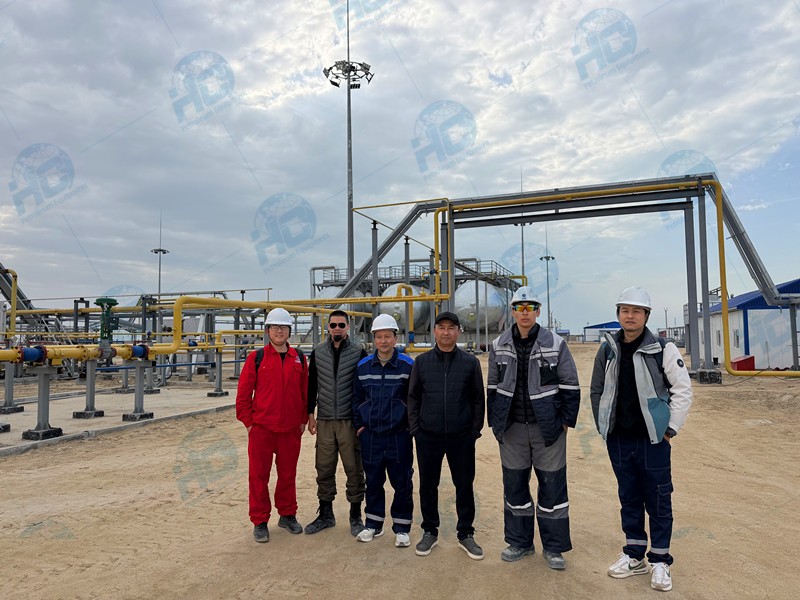
This is our second visit to the project site in Kazakhstan. Compared with the first trip, which focused on delivery and installation support, this time our priority was much clearer — to follow up on actual operation, verify system performance under real conditions, and work side by side with the client’s team to solve problems that never show up on drawings.
Because between design and real operation, there is always a gap — and the only place to truly understand it is on site.
Not Everything Can Be Solved at the Design Stage
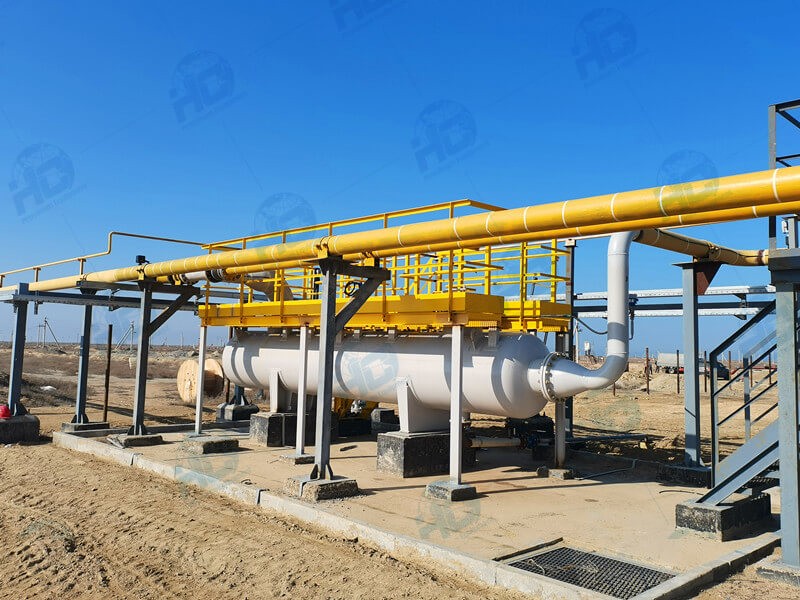
The project involves skid-mounted processing units, separation equipment, and integrated piping systems. From an engineering perspective, everything had already been calculated, reviewed, and tested before shipment.But once equipment arrives on site, many additional factors start to influence performance:
Integration with existing pipelines and facilities
Deviations between actual fluid composition and design assumptions
Operator habits and their interaction with control logic
Environmental conditions such as temperature and dust
These are not issues that can be fully resolved through emails or drawings.
That is exactly why we insist on being present on site — because small adjustments often determine whether a system runs stably or struggles in daily operation.
From “Running” to “Stable Operation”: The Difference Is Experience
During this visit, our work focused on several key areas.
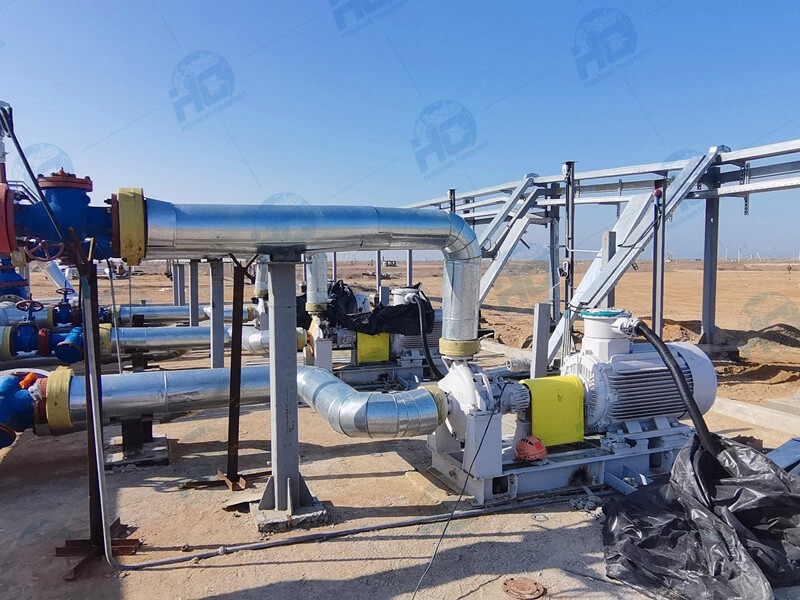
We verified whether operating parameters such as pressure, flow rate, and temperature remained within design expectations under real conditions. We closely observed separation performance, especially under fluctuating loads. We also worked with operators to ensure the control system is not only functional, but practical and easy to use.
In factory testing, everything is controlled and predictable.On site, it never is.
Flow fluctuations, gas surges, and impurities in the medium can all impact performance. Without on-site tuning, even well-designed equipment may not reach its full potential.
The value of field service lies in reducing these uncertainties — step by step — until the system is not only operational, but reliably stable over time.
This visit reinforced something we have always believed:
Clients are not only asking “Can you manufacture this?”
They are asking “Have you done this before, and does it actually work?”
Specifications can be written. Drawings can be shared.But real confidence comes from proven operation.
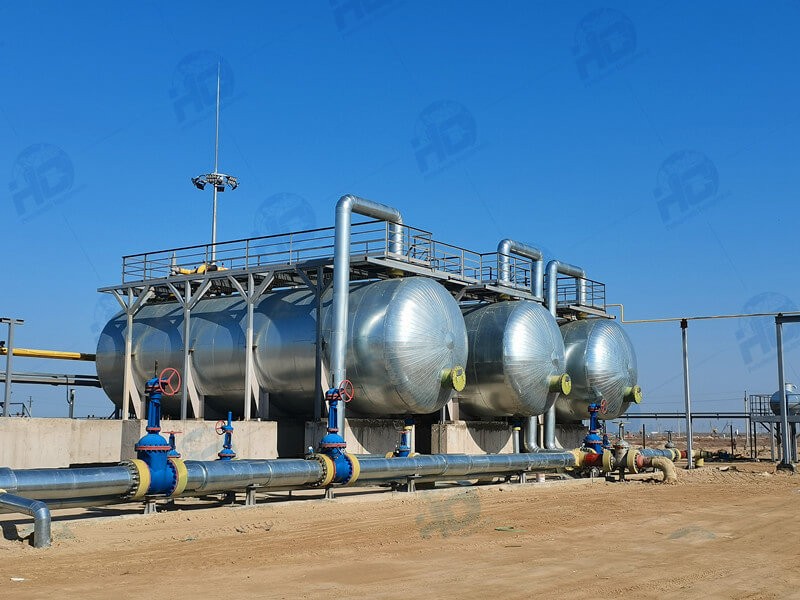
When clients see equipment running under similar conditions, when they can observe performance directly, discussions become more straightforward and decisions become faster.
That is why we place increasing importance on real project feedback and field verification — not just delivery.
Equipment Supply Is Only Part of the Job.For us, supplying equipment is not the final goal.Ensuring it works in the field is.
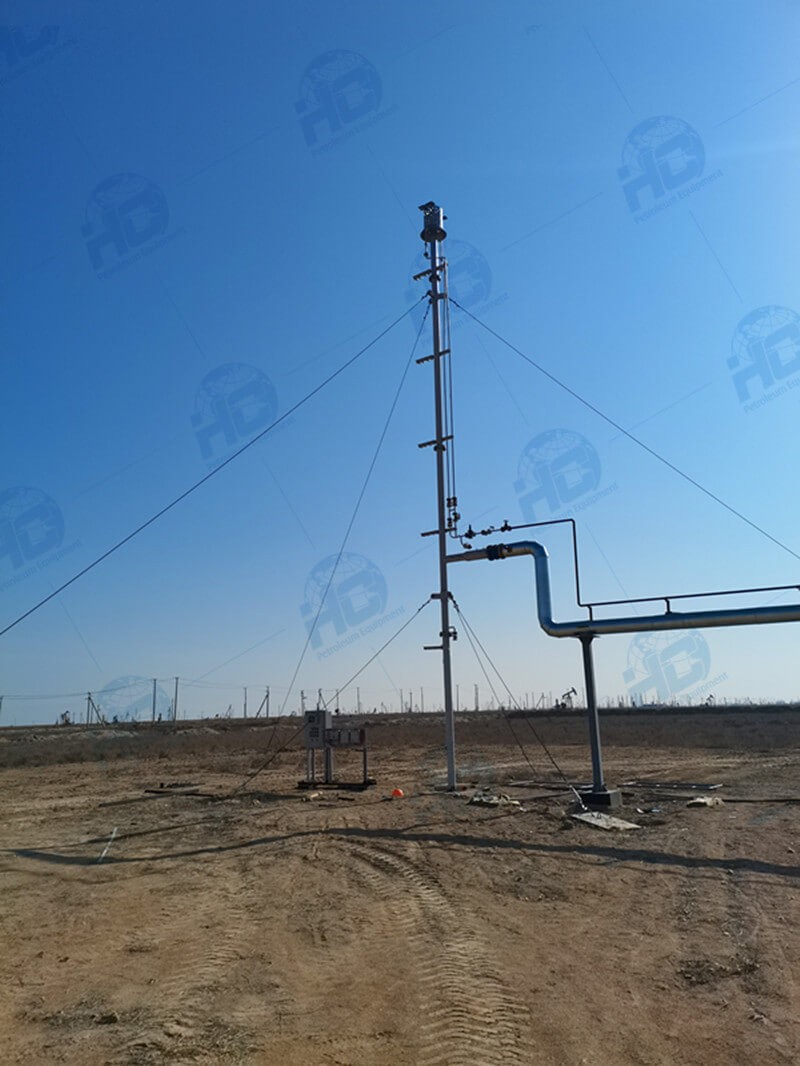
From our first visit supporting installation to this second visit focusing on operation, we aim to be involved throughout the entire process — from design to commissioning, and from commissioning to stable operation.
Because only when the system runs reliably on site does the project truly succeed.
Every site visit is a test of engineering, manufacturing, and communication.And many lessons can only be learned in the field.
This trip to Kazakhstan was not just a follow-up — it was a confirmation of what truly matters in oil & gas projects: real performance under real conditions.
And that is exactly where we focus.