
Why Is a Sand Trap Important in Oil and Gas Well Testing?
Recently, HC Petroleum completed an overseas Sand Trap project and has also received a growing number of inquiries for sand removal equipment from oil and gas customers.
These project activities and inquiries reflect the practical attention that sand management is receiving in oilfield operations. For wells producing sand-laden fluids, handling solid particles is not simply an equipment consideration.
It is an important part of maintaining safe and reliable well testing operations.
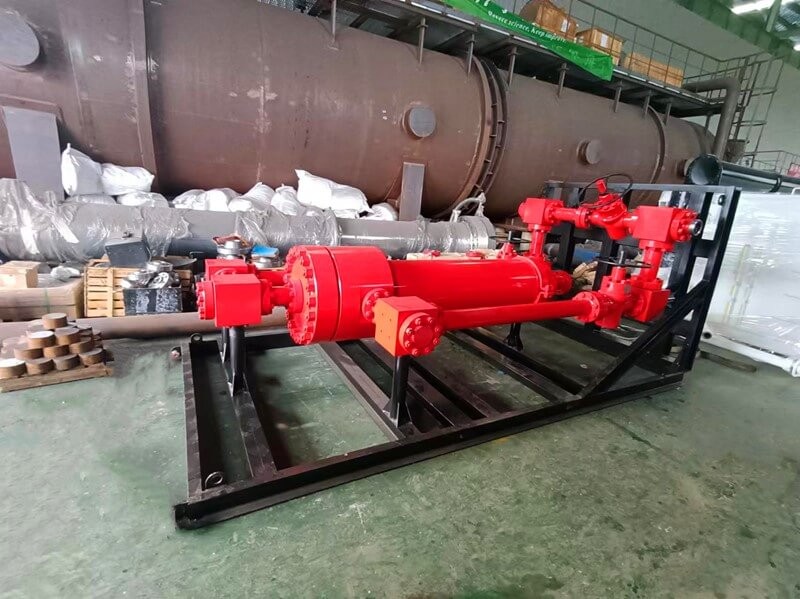
So, why is a Sand Trap important in oil and gas well testing?
1.Sand Production Can Affect Downstream Equipment
During oil and gas production and well testing, formation sand and other solid particles may be carried to the surface along with produced fluids.
When these particles enter surface well testing equipment, they can cause several operational problems:
Erosion:High-velocity sand particles can wear down valves, pipelines, and other flow-handling components.
Blockages:Sand accumulation can restrict flow passages and interfere with normal equipment operation.
Increased maintenance: Frequent sand removal and equipment cleaning can lead to additional maintenance work and operational downtime.
These issues can become more challenging when wells produce significant amounts of sand, making effective solids management an important consideration in well testing system design.
2.How Does a Sand Trap Help?
A Sand Trap is used in oil and gas well testing systems to collect sand and other solid particles carried by well fluids.
By providing a dedicated space for sand collection, it helps manage solids before they accumulate in downstream equipment.
This can help reduce the risk of sand-related erosion and blockages, protect downstream components, and make solids handling more manageable during well testing operations.
The actual sand collection performance depends on equipment design, operating pressure, flow rate, particle characteristics, and other process conditions. Therefore, selecting a suitable Sand Trap requires consideration of the specific well conditions and project requirements.
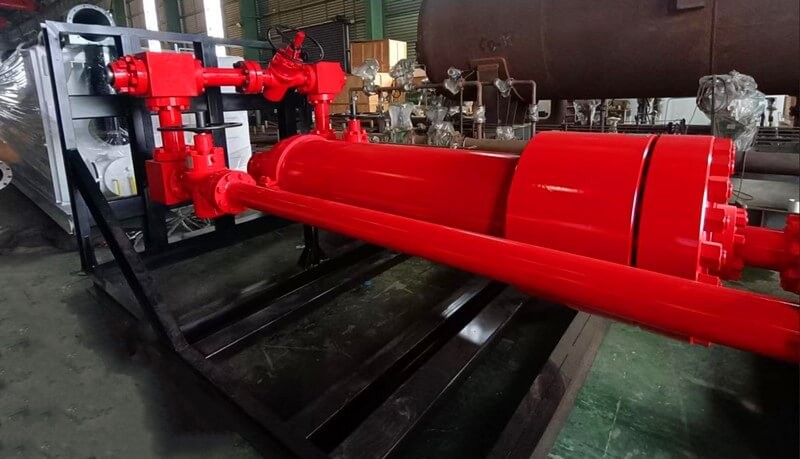
3.Why Should Oilfield Operators Pay Attention to Sand Trap Selection?
Not all wells produce the same amount of sand, and operating conditions can vary significantly from one project to another.
When selecting a Sand Trap for oil and gas applications, several factors should be considered:
Operating pressure: The equipment must be suitable for the system's required pressure rating.
Flow rate:The design should accommodate the expected fluid flow conditions.
Sand production: Expected sand volume and particle characteristics are important for determining collection and handling requirements.
System integration: Connections, layout, and installation requirements should match the overall well testing package.
A properly selected Sand Trap helps operators manage sand-related challenges while supporting the overall performance of surface well testing equipment.
HC Petroleum Sand Trap for Oil and Gas Applications
HC Petroleum supplies Sand Trap equipment for oil and gas well testing applications. We understand that different projects have different operating requirements, and equipment configuration should be considered according to actual field conditions.
If you are looking for a Sand Trap or Oilfield Sand Separator for your next well testing project, contact our team to discuss your requirements and request a quotation.
Email: sales@hcpetroleum.hk