
Two-Phase vs Three-Phase Separator: How to Choose for Oil & Gas Projects
In oil and gas production, the choice between a two-phase separator and a three-phase separator is not just a matter of structure. It directly affects separation efficiency, downstream equipment performance, and even long-term operating costs.
Many users initially focus on the “difference” between the two, but in real projects, the key question is actually: which one is suitable for your specific working conditions?
What is the real difference?
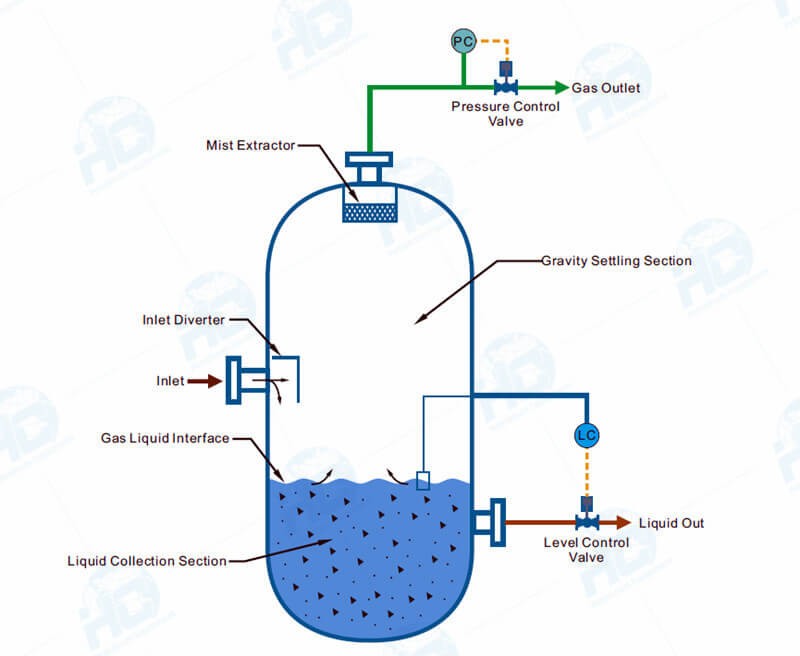
A two-phase separator is designed to separate well fluids into gas and liquid. It is typically used when the liquid phase does not require further separation, or when water content is relatively low and can be handled downstream.
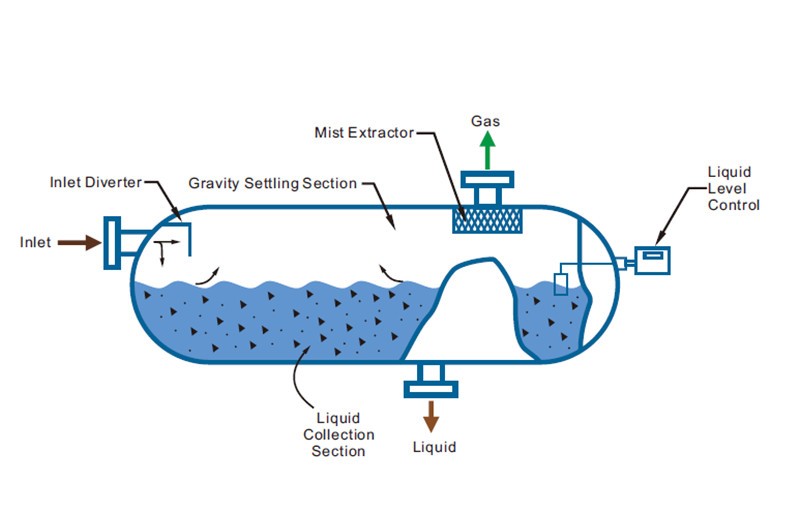
A three-phase separator, on the other hand, separates the incoming flow into gas, oil, and water. It is commonly applied when oil and water need to be treated independently, especially in fields with high water cut or strict export specifications.
From a structural perspective, both types can be designed as horizontal or vertical vessels. The main difference lies in internal configuration and control systems. A three-phase separator includes additional internals such as oil-water interface control devices, weirs or baffles, and separate level control systems for oil and water.
However, in practice, structure is only part of the story. The selection is driven more by process requirements than by vessel type.
When should you use a two-phase separator?
Two-phase separators are typically preferred in the following situations:
Gas-liquid separation is sufficient for the process
Water content in the liquid phase is low or not critical
Downstream systems can handle further liquid treatment
Simpler system design and lower equipment cost are priorities
They are widely used in early-stage production, gas processing facilities, and applications where compact and cost-effective solutions are required.
When is a three-phase separator necessary?
Three-phase separators become essential when:
The produced fluid contains significant amounts of water
Oil and water must be separated before further processing or transportation
Stable oil-water interface control is required
Downstream equipment is sensitive to water content
Typical applications include crude oil processing facilities, high water cut oilfields, and test separators where accurate phase measurement is important.
Key design considerations
In actual projects, selecting the right separator involves more than just choosing between two-phase and three-phase. Several factors need to be evaluated:
Operating pressure and temperature
Fluid composition (gas-oil ratio, water cut, viscosity)
Required separation efficiency
Flow rate and capacity
Space limitations (vertical vs horizontal configuration)
These parameters will directly influence the internal design, vessel size, and control strategy.
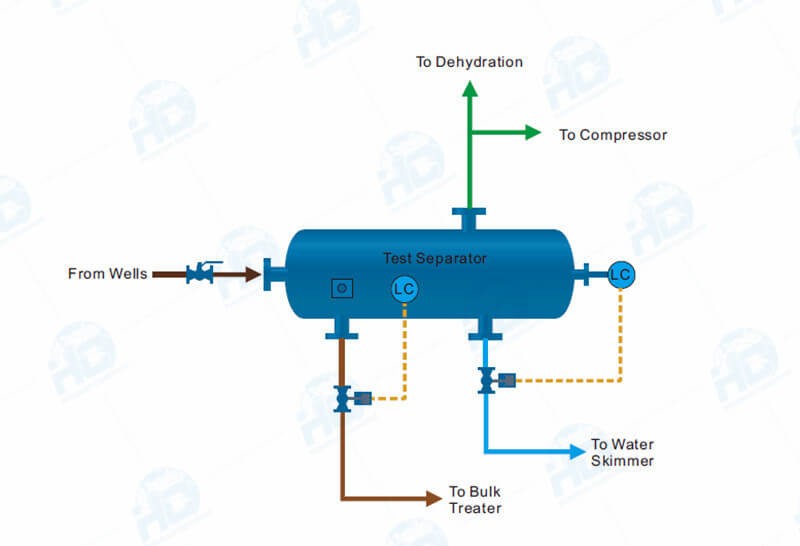
It is worth noting that separators are often referred to by different names depending on their function within the process, such as test separator, production separator, knockout drum, or scrubber.
Despite the naming differences, the fundamental selection still comes down to two key aspects:how many phases need to be separated, and how the separator is structurally configured to achieve that.
Instead of simply comparing two-phase and three-phase separators, it is more practical to start from your process conditions and define what kind of separation is actually required.
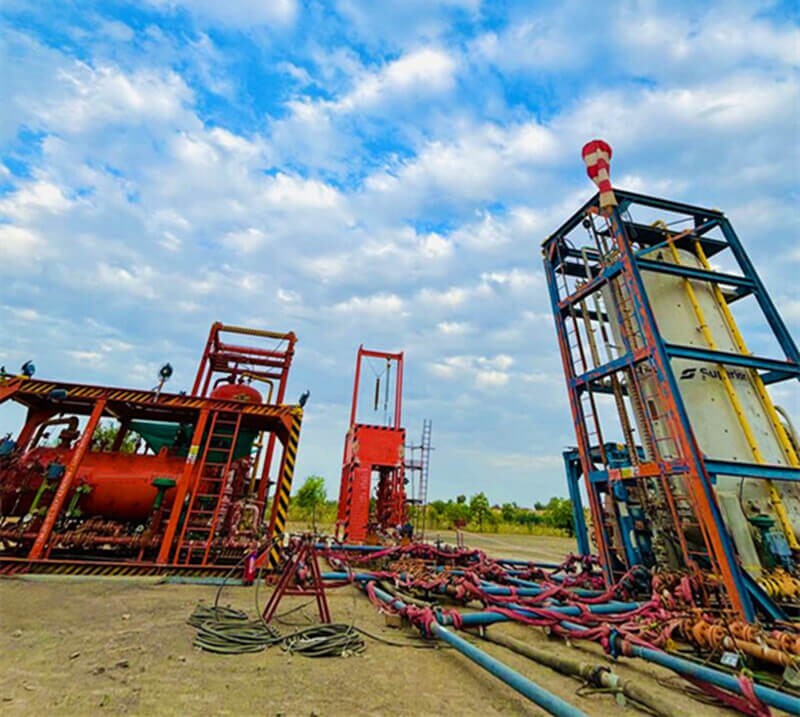
If you are working on an oil and gas project and need to select or customize a separator, it is always recommended to evaluate the operating data and process requirements first, rather than choosing based on general definitions.
For specific applications, a properly selected separator can significantly improve performance and reduce long-term operating costs.
If you are selecting separators for your oilfield or processing project, feel free to contact our team for tailored solutions and engineering support.
Email: sales@hcpetroleum.hk
Website: https://www.hcpetroleum.hk