





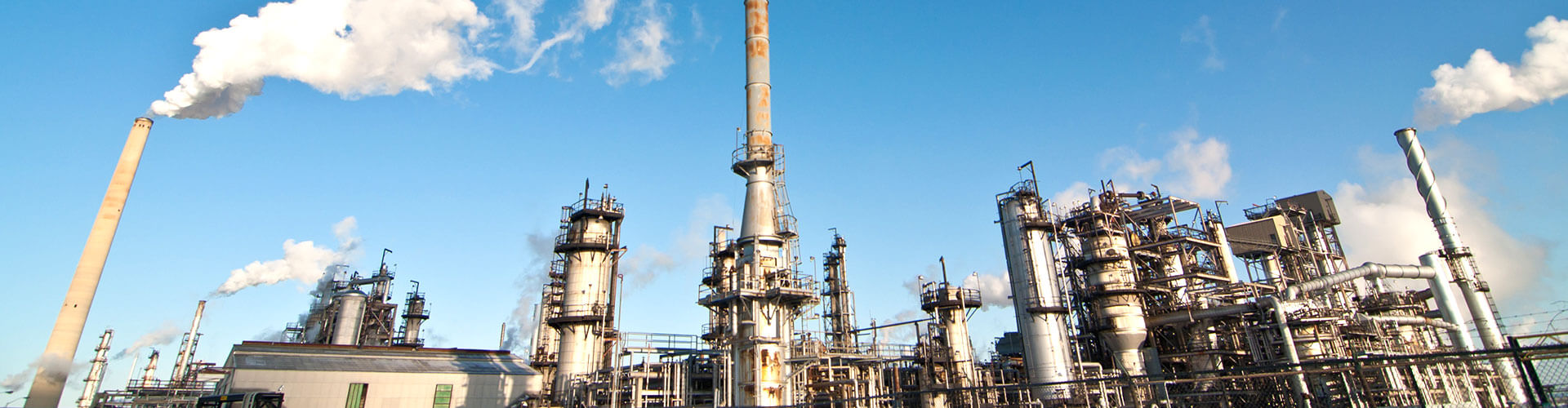
When customers visit a pressure vessel manufacturing facility, they are looking for much more than a clean workshop or modern office.
Whether they are sourcing pressure vessels, surface well testing equipment, or other oil & gas process equipment, experienced buyers want to verify that their supplier has the manufacturing capability, technical expertise, and quality management system needed to deliver reliable products.
Based on HC Petroleum's experience in hosting factory audits, we've found that most customers consistently focus on these three key areas.
1. Manufacturing Capability
The production workshop is usually the first place customers visit.
Rather than looking at office spaces, they want to evaluate the factory's actual production capacity. Common points of interest include:
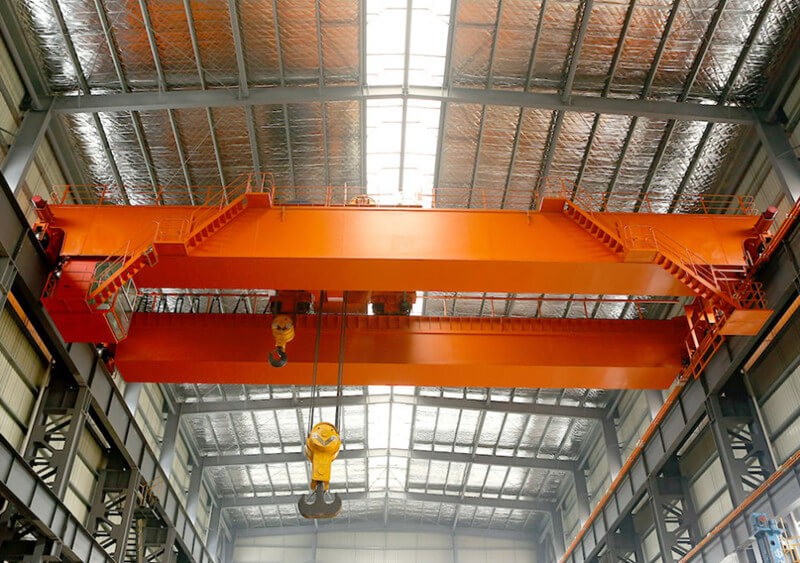
- Overhead crane lifting capacity
- Plate rolling machine capability (maximum plate thickness)
- Capacity to manufacture large pressure vessels
- Workshop layout and production flow
- Ability to handle multiple projects simultaneously
These facilities provide a clear indication of whether a manufacturer can efficiently fabricate large pressure vessels and skid-mounted process equipment.
For example, manufacturing a large three-phase separator requires heavy-duty lifting equipment throughout the fabrication process. Without adequate crane capacity, production efficiency and safety can be compromised.
Most buyers place greater trust in what they see on the production floor than in brochures or marketing materials.
2. Welding Processes and Technical Expertise
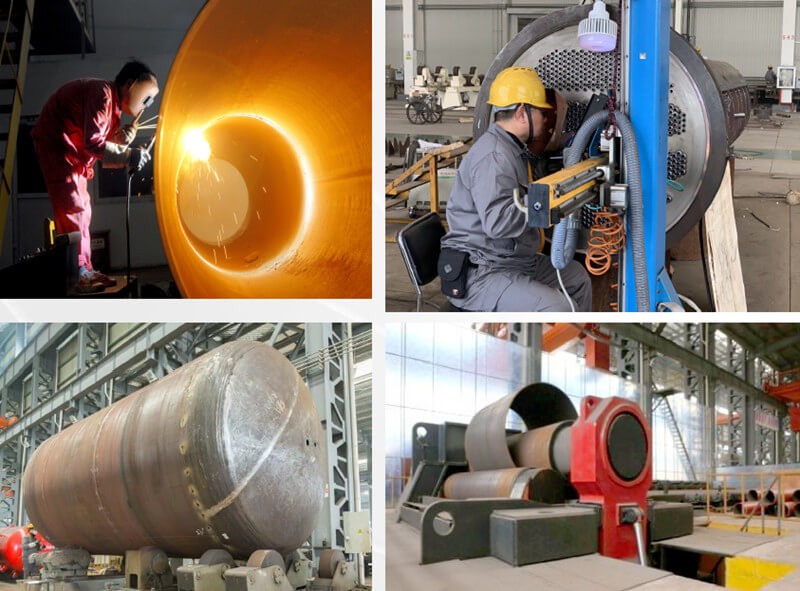
For pressure vessels, welding quality is one of the most critical factors affecting equipment safety and long-term performance.
During a factory audit, customers often pay close attention to:
- Welding processes used (SAW, GTAW, GMAW, etc.)
- Welder qualifications and certifications
- Welding Procedure Specifications (WPS) and Procedure Qualification Records (PQR)
- Weld appearance and workmanship
- Automatic welding equipment and production consistency
Experienced inspectors may spend considerable time observing welding operations directly.
They understand that high-quality welding is not simply about appearance—it directly influences structural integrity, pressure resistance, and service life.
For export projects, standardized welding procedures and qualified personnel are essential indicators of manufacturing quality.
3. Quality Management and Material Traceability
Passing the final inspection alone is not enough.
Most customers are equally interested in how quality is controlled throughout the entire manufacturing process.
During a factory audit, they commonly review:
- Material traceability records
- Positive Material Identification (PMI) reports
- Welding documentation
- Non-Destructive Examination (NDE) reports, including RT, UT, PT, and MT
- Hydrostatic testing procedures
- Quality documentation and record management
These records demonstrate that every stage of production is documented and traceable rather than relying solely on operator experience.
For ASME pressure vessels, material traceability is especially important. Customers may randomly select a steel plate or component and request complete documentation covering procurement, fabrication, inspection, and final acceptance.
Why Are Factory Audits Becoming More Important?
As oil and gas projects become increasingly demanding, customers are placing greater emphasis on supplier capability rather than simply comparing prices.
Pressure vessels are expected to operate safely for many years under high-pressure and harsh operating conditions. As a result, buyers evaluate not only the finished product but also the manufacturer's engineering expertise, production capability, and quality management system.
A factory audit is therefore much more than a routine visit—it is an effective way to verify a supplier's capabilities and reduce procurement risk before a project begins.
At HC Petroleum, we believe a successful factory audit is more than a facility tour. It is an opportunity to demonstrate our manufacturing capability, engineering expertise, and commitment to quality.
Customer confidence is built through real production capacity, qualified workmanship, and complete quality documentation—not simply through words.
We welcome customers from around the world to visit our manufacturing facility and see firsthand how HC Petroleum manufactures pressure vessels, surface well testing equipment, and customized oil & gas process equipment that meet international standards.
-
2026 / 08 / 13
 Dual Pot Sand Filter Designed and Manufactured for an Oman Oil & Gas Project
 -
2026 / 08 / 07
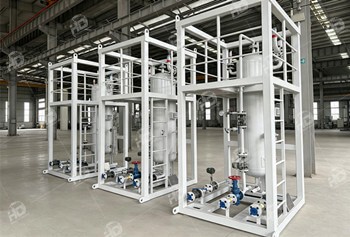 Three Vertical Three-Phase Separators Completed for Oil & Gas Project by HC Petroleum
 -
2026 / 07 / 24
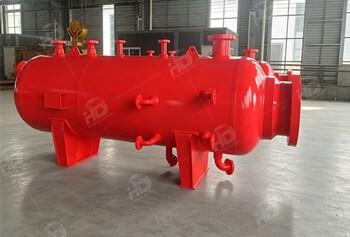 Two 1440 PSI Three-Phase Separators Completed for Nigeria Oil & Gas Project
- +86 158 6190 3617
