





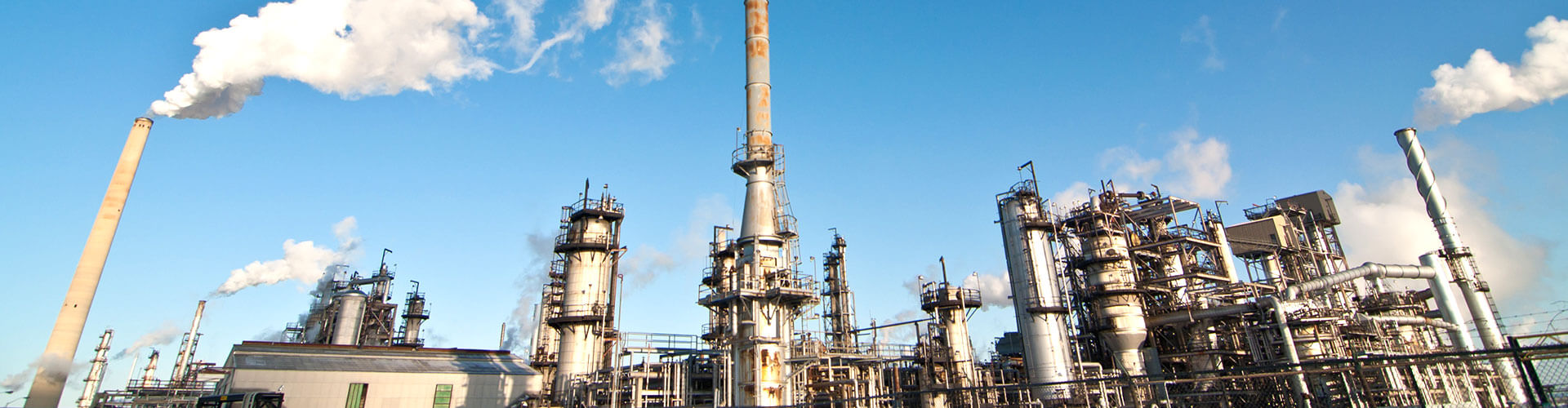
In natural gas production and gathering systems, gas streams often contain liquid components such as condensate or produced water. If these liquids are not removed efficiently, they may cause operational issues in downstream equipment including compressors, pipelines, heaters, and metering systems. For this reason, gas-liquid separation is an essential step in many oil and gas processing facilities.
A Gas-Liquid Two-Phase Separator is designed to separate gas from entrained liquids by utilizing differences in density, gravity, and momentum. These separators are widely used in natural gas processing, wellhead operations, and gas gathering systems to ensure stable system performance and protect downstream equipment.
Role of Gas-Liquid Separation in Natural Gas Systems
In upstream and midstream gas processing facilities, multiphase flow conditions are common. Gas produced from wells frequently carries liquid hydrocarbons, water, and other condensable components. Without proper separation, these liquids may accumulate in pipelines or damage process equipment.
Installing a gas-liquid separator at appropriate locations within the system helps to:
- Remove liquid droplets from gas streams
- Reduce operational risks caused by liquid carryover
- Protect compressors and sensitive equipment
- Improve the reliability of gas processing operations
As a result, gas-liquid separators are considered standard equipment in many natural gas production and treatment systems.
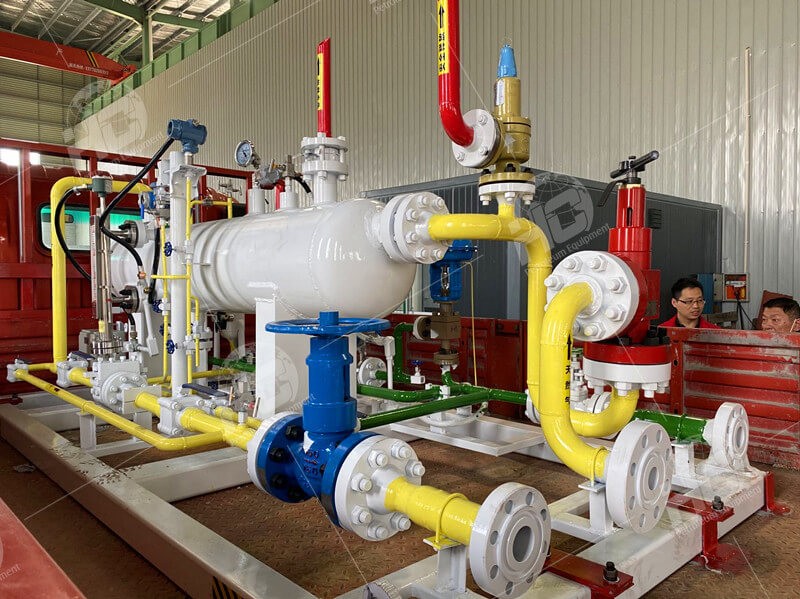
Working Principle of Gas-Liquid Two-Phase Separators
The operation of a gas-liquid two-phase separator is based on fundamental physical separation mechanisms. When the multiphase fluid enters the separator vessel, the internal flow pattern changes and the velocity decreases, allowing the liquid phase to separate from the gas.
The separation process generally includes three stages:
Inlet separation
The incoming mixture enters the separator through an inlet device that reduces flow turbulence and allows large liquid droplets to separate quickly.
Gravity settling
As the gas velocity decreases inside the vessel, gravity causes the remaining liquid droplets to fall to the bottom section of the separator.
Mist elimination
Before the gas exits the vessel, a demister or mist extractor removes fine liquid droplets to ensure that the outlet gas stream is sufficiently dry.
The separated liquid collects at the bottom of the vessel and is discharged through the liquid outlet, while the treated gas leaves through the gas outlet.
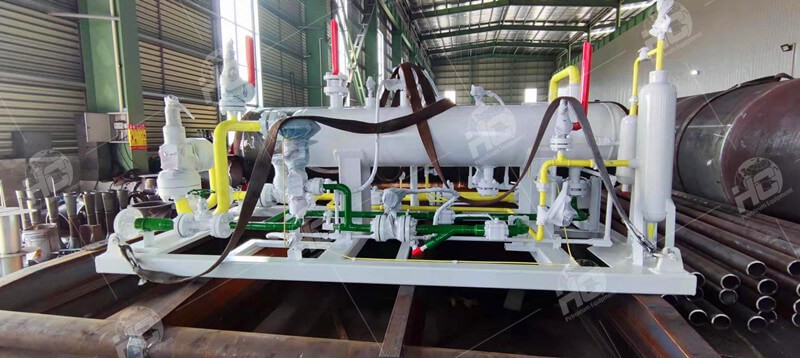
Advantages of Compact Gas-Liquid Separators
In many field operations, equipment mobility and installation flexibility are important considerations. Compact gas-liquid separators provide an effective solution for applications where large processing facilities are not practical.
Key advantages include:
Compact structure
A smaller vessel footprint allows installation in locations with limited space, including skid-mounted or trailer-mounted systems.
Lightweight and easy transportation
Compact separators can be transported and relocated between different work sites, making them suitable for mobile gas processing or temporary operations.
Complete instrumentation configuration
Despite their small size, these separators can be equipped with pressure gauges, level indicators, safety valves, and control valves to ensure reliable operation.
Stable separation performance
With proper internal design, compact separators are capable of maintaining efficient separation under varying operating conditions.
Typical Applications in the Oil and Gas Industry
Gas-liquid two-phase separators are widely used in various stages of oil and gas production and processing. Their primary purpose is to remove liquid components from gas streams before further treatment or transportation.
Typical applications include:
- Natural gas wellhead separation
- Gas gathering stations
- Production testing equipment
- Mobile gas processing systems
- Temporary gas treatment facilities
In many systems, the separator functions as the first stage of gas treatment, ensuring that downstream equipment operates under stable conditions.
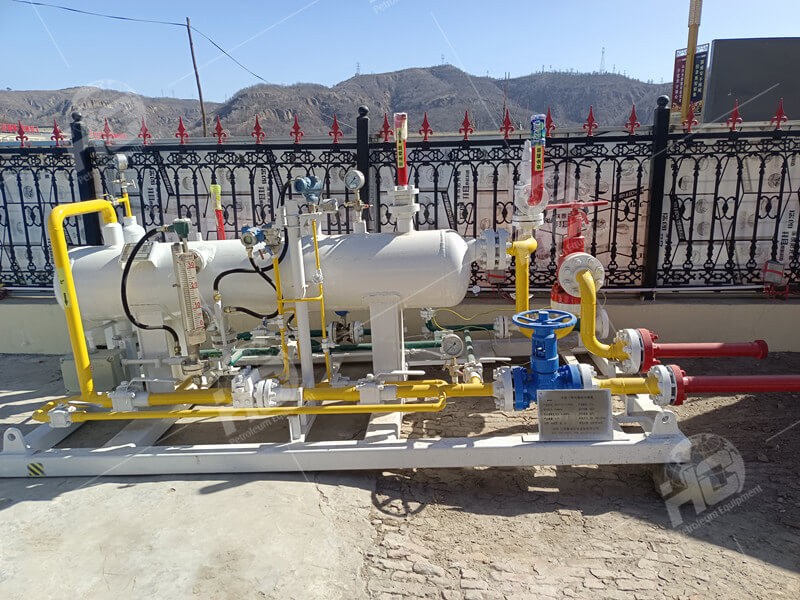
Design Considerations
When designing a gas-liquid separator, engineers must consider several important parameters, including flow rate, operating pressure, temperature conditions, and fluid composition. Proper vessel sizing and internal configuration are essential for achieving effective separation performance.
Additional design factors may include:
- Gas residence time
- Liquid retention capacity
- Demister efficiency
- Safety and control instrumentation
Optimizing these parameters allows the separator to achieve reliable separation efficiency while maintaining a compact and practical design.
Gas-liquid two-phase separators play an important role in natural gas production and processing systems. By efficiently removing liquid components from gas streams, they help protect equipment, improve operational stability, and ensure reliable system performance.
Compact separator designs provide additional advantages for field operations where mobility, space efficiency, and flexible installation are required. With proper engineering and configuration, these separators can support a wide range of applications in modern oil and gas processing systems.
-
2026 / 08 / 13
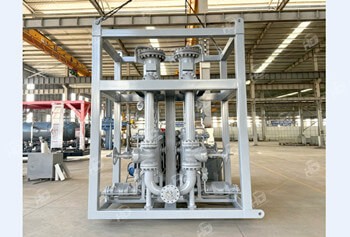 Dual Pot Sand Filter Designed and Manufactured for an Oman Oil & Gas Project
 -
2026 / 08 / 07
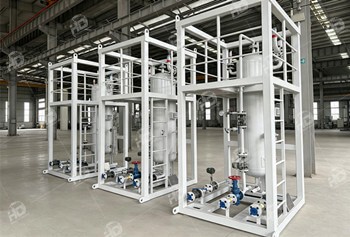 Three Vertical Three-Phase Separators Completed for Oil & Gas Project by HC Petroleum
 -
2026 / 07 / 24
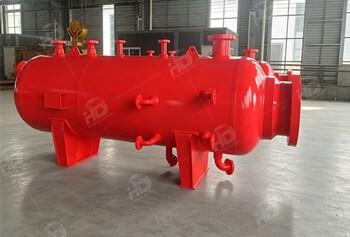 Two 1440 PSI Three-Phase Separators Completed for Nigeria Oil & Gas Project
- +86 158 6190 3617
