





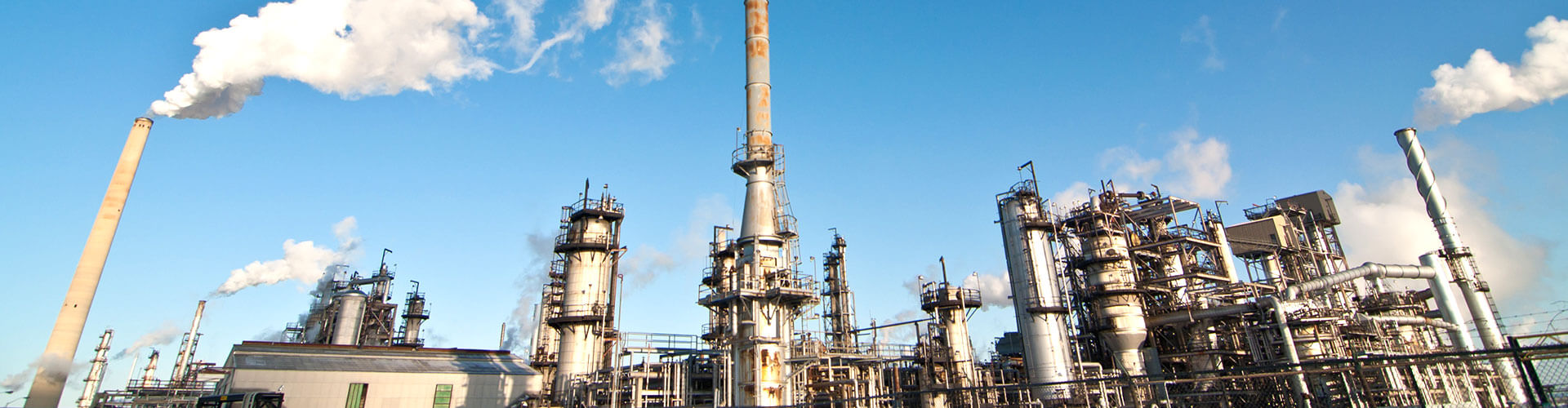
In the early stage of oil well production, separator selection is not just a technical decision—it directly impacts production efficiency, downstream processing costs, and even the long-term stability of the entire operation.
During this phase, operators are often dealing with highly unstable conditions: fluctuating flow rates, changing gas–liquid ratios, and a steadily increasing water cut. Under such circumstances, choosing the right separator from the beginning can prevent a range of operational issues later on.
Based on HC’s field experience and project involvement, here is a practical approach to separator selection for early production systems.
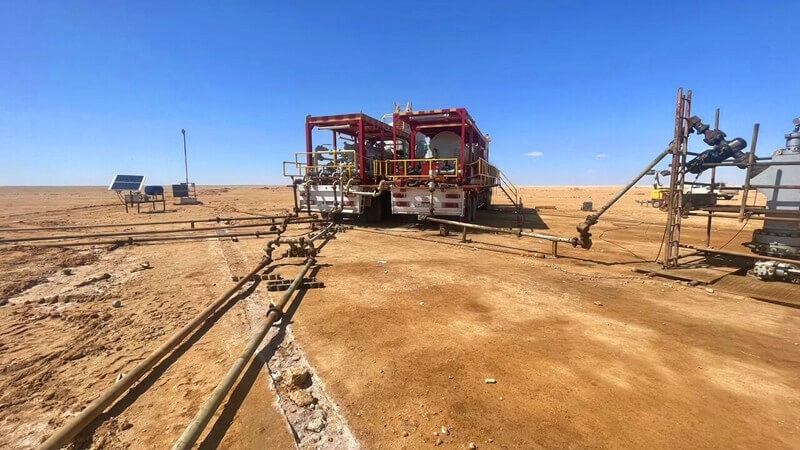
1. Start with the Fundamentals: Two-Phase or Three-Phase?
In early production, wellstream composition is rarely stable. Some wells may already produce significant free water, while others may experience a rapid increase in water cut over time.
From an engineering perspective, the key question is whether water needs to be effectively separated and managed at the wellsite.
When free water is already present in considerable volume—or expected to increase—a three-phase separator (oil, gas, and water) is typically the more reliable choice. It allows for on-site water control and measurement, reducing the burden on downstream facilities.
In cases where water content is currently low and water treatment is centralized at downstream stations, a two-phase separator may be sufficient in the short term.
However, early-stage decisions should always consider future production trends. Even when selecting a two-phase unit, it is advisable to leave room for system upgrades, as water cut often increases over the life of the well.
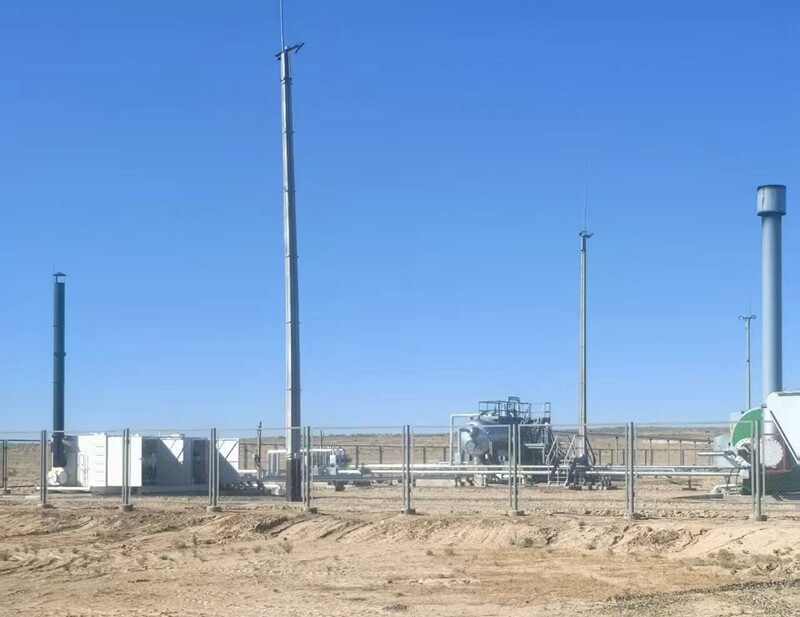
2. Horizontal or Vertical? Structure Matters
Once the phase configuration is determined, the next step is selecting the appropriate separator configuration based on actual field conditions.
Horizontal separators are generally more suitable for streams with higher gas–oil ratios and larger throughput requirements. They provide better residence time and are often preferred in multi-well pad setups where compact, skid-mounted solutions are needed.
Vertical separators, on the other hand, are more effective when handling fluids containing solids such as formation sand. Their geometry makes them easier to clean and maintain, which can be a critical advantage in sand-producing wells.
There is no universal solution here—the choice should always reflect the characteristics of the produced fluid and site constraints.
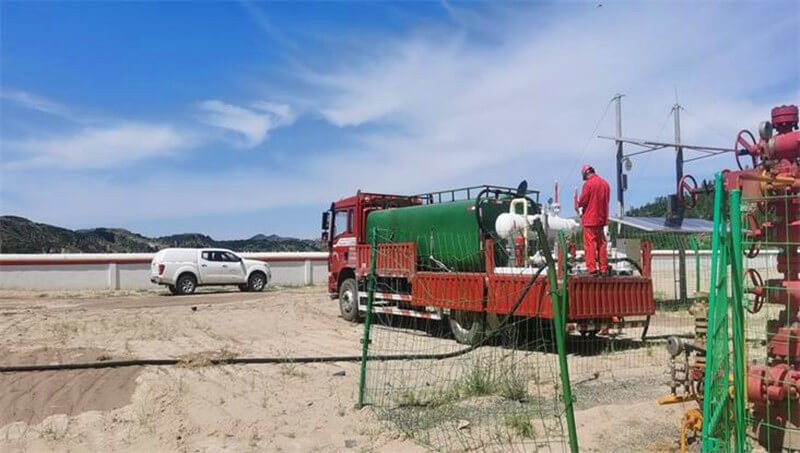
3. Process Integration: Learning from Field-Proven Practices
For high water-cut and viscous crude conditions, field practices from regions like Shaanxi oilfields offer valuable insights.
A commonly adopted approach combines:
Gravity separation in the primary stage
Hydrocyclone pre-treatment for bulk water removal
Followed by electrostatic dehydration for fine separation
In early production systems, a typical setup may include:A horizontal three-phase separator operating at 0.5–1.5 MPa and 40–60°C, helping to maintain stable separation performance and prevent issues such as wax deposition
A downstream electrostatic treater (15–25 kV), capable of reducing outlet water content to below 0.5%, meeting transportation and processing requirements
This kind of integrated approach significantly improves overall system efficiency rather than relying on a single piece of equipment.
4. Supplier Selection: Focus on Flexibility, Not Just Specifications
One common mistake in separator procurement is focusing too heavily on nameplate parameters while overlooking how the equipment performs under variable conditions.
In reality, early production is dynamic. Flow rates, compositions, and operating conditions can change significantly over time. This makes wide operating flexibility a critical design consideration.
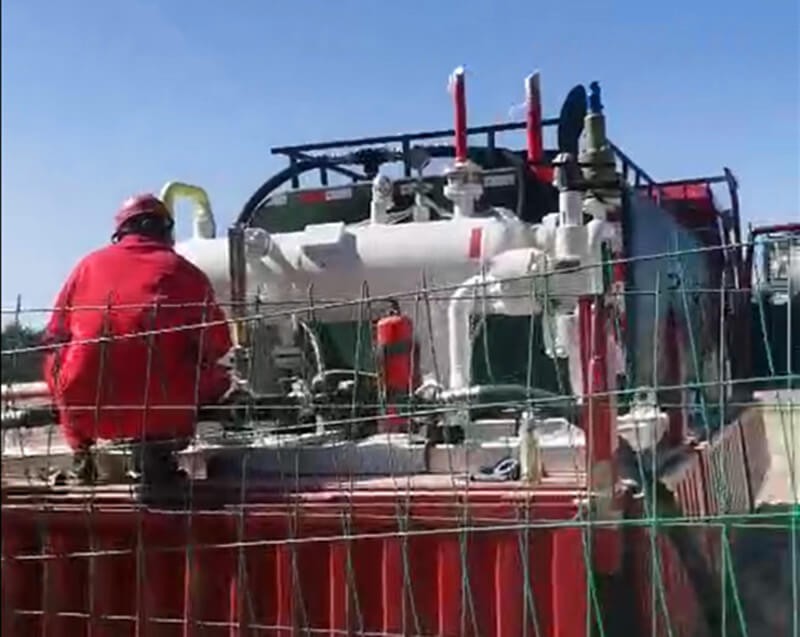
At HC, separator design is not based on a single operating point. Instead, we evaluate:
Current well conditions
Expected production trends
Site-specific constraints
This allows us to deliver equipment that remains stable across different stages of the well lifecycle, reducing operational risks and minimizing future modifications.
Separator selection in early oil production is not about choosing the most advanced configuration—it is about choosing the most appropriate one.
A well-matched separator should:
Handle current production conditions effectively
Adapt to future changes in well performance
Integrate smoothly with downstream systems
Taking a broader, lifecycle-oriented view at the design stage can significantly improve field performance and reduce long-term costs.
If you are evaluating separator options for an upcoming project, thinking beyond immediate parameters may be the difference between a system that simply works—and one that runs reliably for years.
-
2026 / 08 / 13
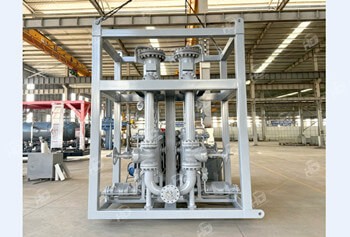 Dual Pot Sand Filter Designed and Manufactured for an Oman Oil & Gas Project
 -
2026 / 08 / 07
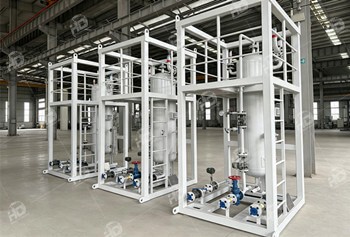 Three Vertical Three-Phase Separators Completed for Oil & Gas Project by HC Petroleum
 -
2026 / 07 / 24
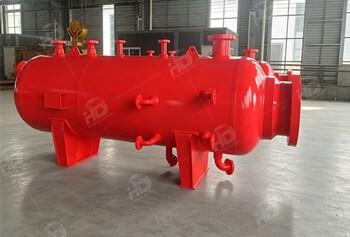 Two 1440 PSI Three-Phase Separators Completed for Nigeria Oil & Gas Project
- +86 158 6190 3617
